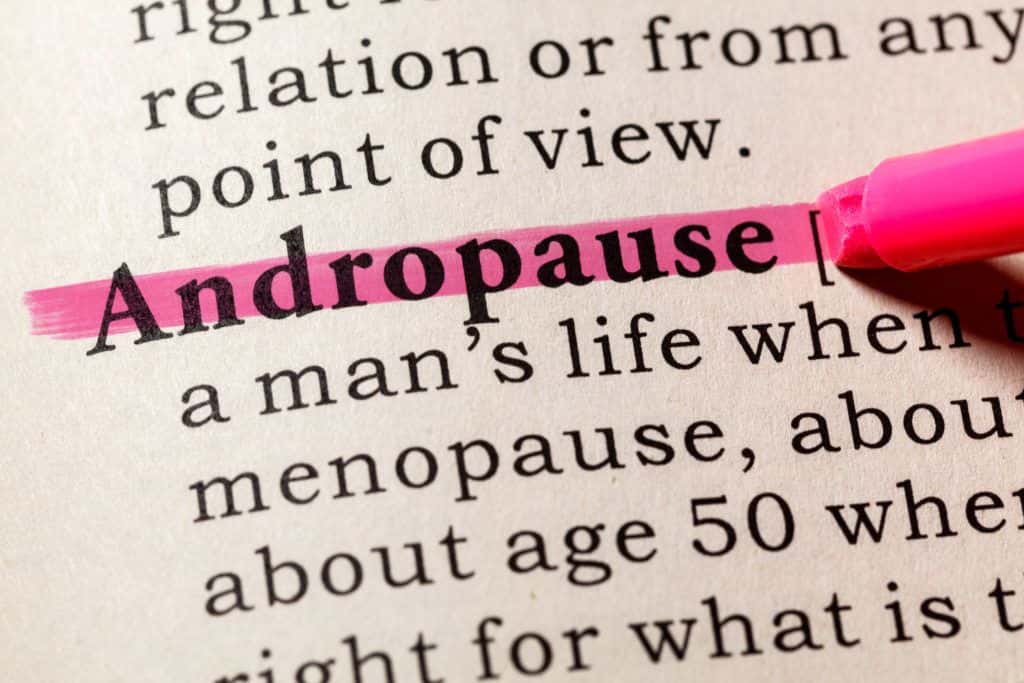
Feeling weak and moody? Perhaps you’re gaining weight despite eating healthy and working out? If you’re a man past middle age, these signs might indicate that you’re going through andropause.
Also known as male menopause, this condition triggers a decline in sex hormone levels. It usually occurs in men between the ages of 40 and 60, causing low sex drive, weight gain, muscle loss, and moods swings. Testosterone deficiency is the culprit behind these symptoms.
As men age, their testosterone levels decrease. After 40, your T production declines at the rate of approximately one percent per year. The only way to slow down this process is to stay physically active and eat a balanced diet.
However, healthy eating and exercise are not always enough. Your T levels depend on a variety of factors that you cannot control, such as genetics and certain health conditions. In this case, hormone replacement therapy can help.
Andropause at a Glance
Middle-aged men often experience weight gain, mood swings, low sex drive, and other symptoms. Some ignore them, while others try to find the root cause of the problem. Most times, andropause is the culprit.
This condition involves the age-related changes in male hormone levels. It all starts with testosterone deficiency. As your T levels drop, your metabolism and body composition change.
Male menopause is a normal process. Even though it usually occurs after the age of 40, it can affect younger men too. A diet high in protein and healthy fats combined with strength training can prevent muscle loss and keep your T levels high.
The Symptoms of Male Menopause
Approximately 30 percent of men between ages 60 to 70 have low T levels. This condition also affects up to 70 percent of those between ages 70 to 80. It causes physical, emotional, and sexual symptoms, taking a toll over their lives.
Male menopause symptoms vary from one man to another. In general, these include:
- Unexplained weight gain, especially in the abdominal area
- Muscle loss
- Hair loss
- Weakness and fatigue
- Urinary discomfort
- High blood pressure
- Increased cholesterol and triglyceride levels
- Poor mental focus
- Mood changes
- Irritability
- Depression
- Low self-esteem
- Low sex drive
- Erectile dysfunction
- Difficulty achieving an orgasm
Some men may also experience a decrease in testicle size and loss of interest in sex. Over time, testosterone decline can lead to weight gain, which is a major risk factor for heart disease, insulin resistance, and diabetes.
Low libido and erectile dysfunction are common symptoms of male menopause. Men struggling with these issues often lose their confidence, which reflects on their personal and professional lives. It also puts them at risk for depression, anxiety, and other mental disorders.
These symptoms are non-specific and occur gradually. That’s why they’re usually ignored or overlooked. For instance, if you’re gaining weight, you might think it’s because of bad eating or lack of exercise.
The only way to diagnose andropause is to test your hormone levels. With a simple blood test, doctors can measure the total and/or bioavailable testosterone in your system. They may also use specific questionnaires for diagnosis.
What Causes Andropause?
Andropause is not a disease, but an age-related condition characterized by hormonal changes. Its existence has been subject to debate for years.
Certain lifestyle factors can accelerate the onset of andropause. Overweight and obese men, as well as those with a sedentary lifestyle, are more likely to experience this condition at an early age. Genetics, reduced sexual activity, alcohol abuse, and smoking play a role too.
Stress contributes to this condition as well. When the stress hormone cortisol levels increase, testosterone production drops. Elevated cortisol also affects lean mass and slows down your metabolism, which further accelerates andropause.
Sleep deprivation, for instance, raises cortisol levels. In clinical trials, testosterone levels dropped by 10 percent to 15 percent in men who slept less than five hours per night for one week.
Additionally, high cortisol may lead to insulin resistance and obesity. Both conditions play a key role in the onset of male menopause. Weight gain has a direct impact on testosterone levels; the heavier you are, the less testosterone your body produces.
How to Prevent and Treat Male Menopause
Most symptoms of male menopause can be prevented or reversed through lifestyle changes.
Strength training, for example, is one of the best ways to naturally boost your T levels. A diet rich in protein and low in sugar helps build lean mass, leading to fat loss and muscle growth.
Ever wonder why most male bodybuilders in their 40s and 50s look so lean and shredded? In fact, you’d never guess their age. That’s because they lift heavy and eat clean.
Exercise, especially weight training, stimulates testosterone production. Compound movements like the squat, deadlift, and bench press are particularly effective. They promote muscle growth and boost your metabolism, which in turn, increases T levels.
Another option is hormone replacement therapy. This form of treatment uses bioidentical hormones to reverse male menopause symptoms and improve your health.
Testosterone can be administrated through patches, gels, capsules, or injections depending on your needs. A qualified physician will assess your symptoms and prescribe the most appropriate treatment.
Bioidentical hormones are safer and more effective compared to OTC supplements and testosterone boosters.
The benefits of hormone replacement therapy go beyond higher T levels. You’ll feel more confident and energized, lose fat, and gain strength. Your sexual performance may improve too.
Restore Your Health and Well-Being
Don’t let andropause take over your life! From exercise and healthy eating and hormone replacement therapy, there are lots of ways to naturally boost your T levels.
Also, try to limit stress. Get plenty of rest and squeeze more “me” time into your schedule. Lack of sleep, heavy workload, and daily worries can negatively impact your hormone levels and overall health.
Take the steps to restore your testosterone levels before it’s too late. Find a doctor today to learn more about bioidentical hormone replacement therapy and its benefits. Together, we can find a treatment plan that best suits your needs.