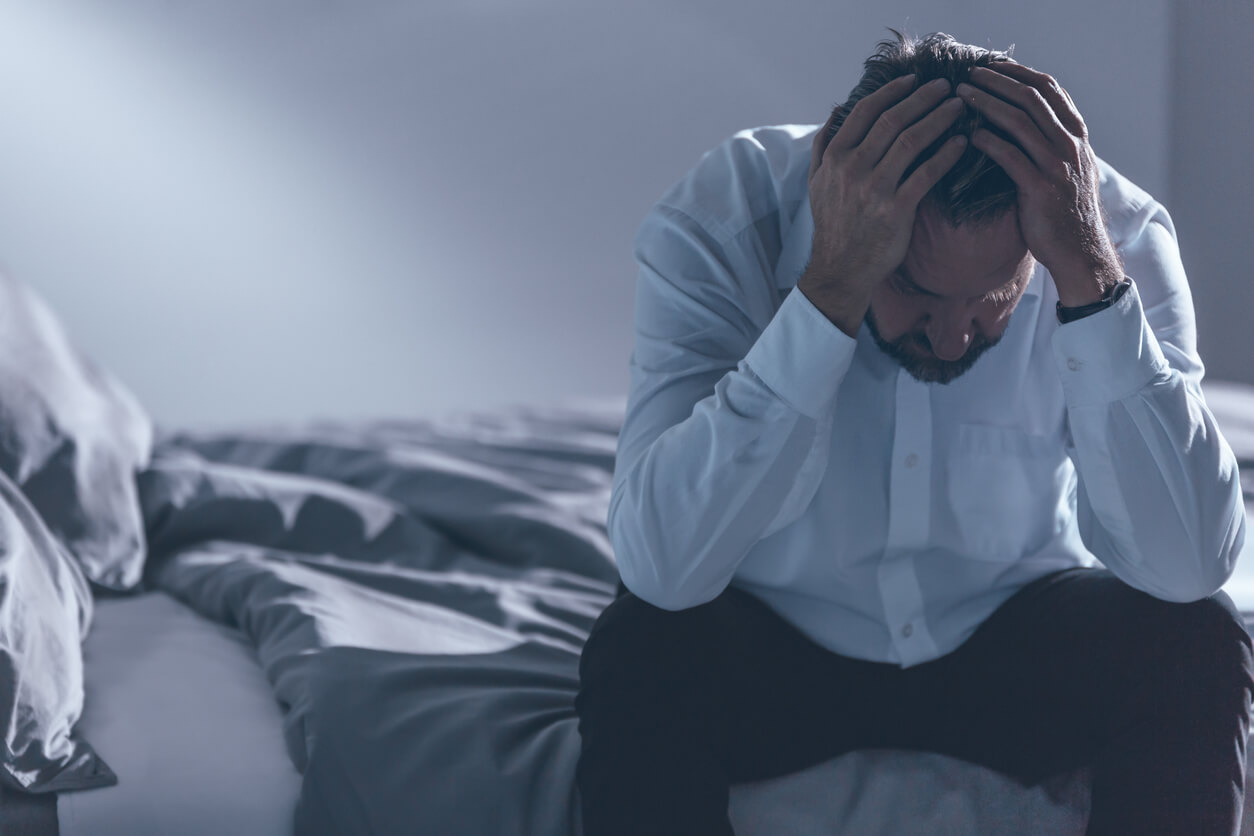
Although anxiety hits everyone now and then, most people are able to deal with its effects and effectively move through those moments when anxiety strikes. But not everyone is that lucky. In fact, an estimated 40 million adults experience anxiety disorder and/or panic attacks in the United States. It is the most common mental health disorder in the country.
Anxiety disorders can cause intense fear and distress, which can quickly become overwhelming and prevent sufferers from living a normal life and going about day to day activities.
While there are different types of anxiety disorders, the anxiety at the root of them all is unmistakable. Four major types of anxiety disorders include:
- Generalized anxiety disorder, which is characterized by chronic, exaggerated worrying about everyday life, which can cause headaches, tension, and nausea.
- Social anxiety disorder, which causes an intense fear about social interaction.
- Panic disorder, which is characterized by panic attacks and sudden feelings of terror, sometimes striking repeatedly and without warning.
- Phobias of certain things or situations that cause incredible discomfort and irrational fear.
Though anxiety disorders can have unique symptoms and might differ in what triggers them, they all have one thing in common: a constant, nagging fear or worry in situations that most people seem to handle with ease or at least a minimum of discomfort.
Anxiety symptoms can be both emotional and physical, and can include:
- Feelings of apprehension or dread
- Feeling tense, nervous, restless, or irritable
- Always expecting the worst
- A pounding or racing heart
- Shortness of breath
- Sweating, tremors, and twitches
- Headaches
- Fatigue
- Insomnia
There are many reasons you or a loved one might be suffering from an anxiety disorder, including genetics. If you have a family history of anxiety disorders or mental illness, you might be more susceptible to developing an anxiety disorder.
Another cause of anxiety disorders can be a stressful or traumatic event such as abuse, the death of a loved one, violence, or prolonged illness. Children are especially fragile, and childhood trauma can morph into adult anxiety. Children who are raised in stressful environments, or who have experienced or witnessed trauma, often adapt in ways that allow them to cope in the moment. But as they grow into adults, unhealed wounds can result in difficult mental health symptoms, anxiety, and other mental health disorders, including post-traumatic stress disorder and obsessive-compulsive disorder.
Other factors that can contribute to the various kinds of anxiety disorders include:
- Eating disorders such as anorexia nervosa and bulimia nervosa, which can cause a hormonal imbalance
- Chemotherapy and radiation used to treat cancer
- Iodine deficiency, which could affect production of thyroid hormones
- The use and abuse of anabolic steroids, synthetic hormones that mimic the effects of testosterone
- Being overweight, which puts people at risk for symptoms of heart disease, diabetes, high blood pressure, hormonal imbalances, and other conditions
- Poor diet and nutrition and a lack of exercise, all of which can knock your endocrine system out of balance and contribute to a hormonal imbalance
- Chronic or extreme stress, which floods the body with cortisol, also known as the stress hormone
- An underactive or overactive thyroid
- Perimenopause and menopause
If you are suffering from feelings of anxiety, you might also have a serotonin deficiency. Serotonin is a vital bodily chemical that affects every part of your body, from your emotions to your motor skills. It is considered a mood stabilizer, and proper levels help reduce depression, regulate anxiety, heal wounds, stimulate nausea, and maintain bone health. Medications can address serotonin deficiency, although each individual case requires specific care.
If you think you might be suffering from an anxiety disorder, it’s time to visit your medical care provider or a mental health professional. The physical manifestation symptoms of an anxiety disorder can very often be confused and misinterpreted for other conditions like hyperthyroidism or heart disease. Therefore, it is imperative that before any treatment plan is developed that a medical provider conduct an evaluation, which includes a physical examination, an interview, and lab tests. If a doctor rules out an underlying physical illness, he or she might recommend a number of treatment plans, including medications or a referral to a mental health professional for evaluation. Any drug treatment should be taken under the advice of a trusted health professional.
One remedy that may be helpful is cognitive-behavioral therapy, which focuses on thoughts and perceptions and influences behavior and reactions to stimuli. And while those with anxiety disorders are often prescribed medications such as selective serotonin reuptake inhibitors, or SSRIs, these drugs can come with serious side effects.
A simple yet often effective remedy is a targeted nutrition plan that, through diet and supplements, ensures that you are getting the vitamins and minerals you need to support both your overall and your mental health, such as:
- Vitamin C
- Vitamin D
- Omega-3 fatty acids
- B-complex vitamins
- Magnesium
- Calcium
- Vitamin A
- Vitamin E
While eating a wholesome, balanced diet is the best way to get the nutrients your body needs, there are some nutrients that aren’t easy to get in edible form, which is why a healthcare professional can help you evaluate where you may be lacking and put you on a plan to make sure you’re getting what you need.
Another area to evaluate when it comes to anxiety is your hormones. If your healthcare provider determines you are suffering from a hormonal imbalance, you might be a candidate for hormone replacement therapy. Many people are familiar with hormone replacement therapy for age-related conditions such as menopause in women and andropause in men, but it can also be helpful for other conditions like anxiety as well.
If you believe a hormonal imbalance is affecting your daily life, consider consulting with the healthcare professionals within the BodyLogicMD network to come up with a targeted treatment plan. An essential component of that plan might be exercise, such as aerobics, jogging, swimming, cycling, walking, gardening, or dancing.
Exercise that gets your heart beating and makes you take deep breaths has been proven to reduce anxiety and depression because of an increase in blood circulation to the brain and by its effect on the hypothalamus and the pituitary and adrenal glands. Those three body components interact with the limbic system and the hippocampus, which affect motivation and mood, and the amygdala, which generates fear in response to stress.
Exercise has been shown to reduce mental illness and improve mental health by reducing anxiety, depression, and negativity and by improving self-esteem and cognitive function.
Health benefits from regular exercise include:
- Improved sleep
- Increased interest in sex
- Better endurance
- Stress relief
- Improvement in mood
- Increased energy and stamina
- Reduced tiredness that can increase mental alertness
- Weight reduction
- Reduced cholesterol and improved cardiovascular fitness
The physicians within the BodyLogicMD network understand the delicate balance of hormones, diet, nutrition, and age, and how drugs may or may not impact that balance. They can help you develop a treatment plan that can help you alleviate or even eliminate feelings of anxiety. These health professionals are committed to working with you one-on-one to find a solution that is tailored to your specific needs. Get started on a path to peace of mind by contacting BodyLogicMD today.