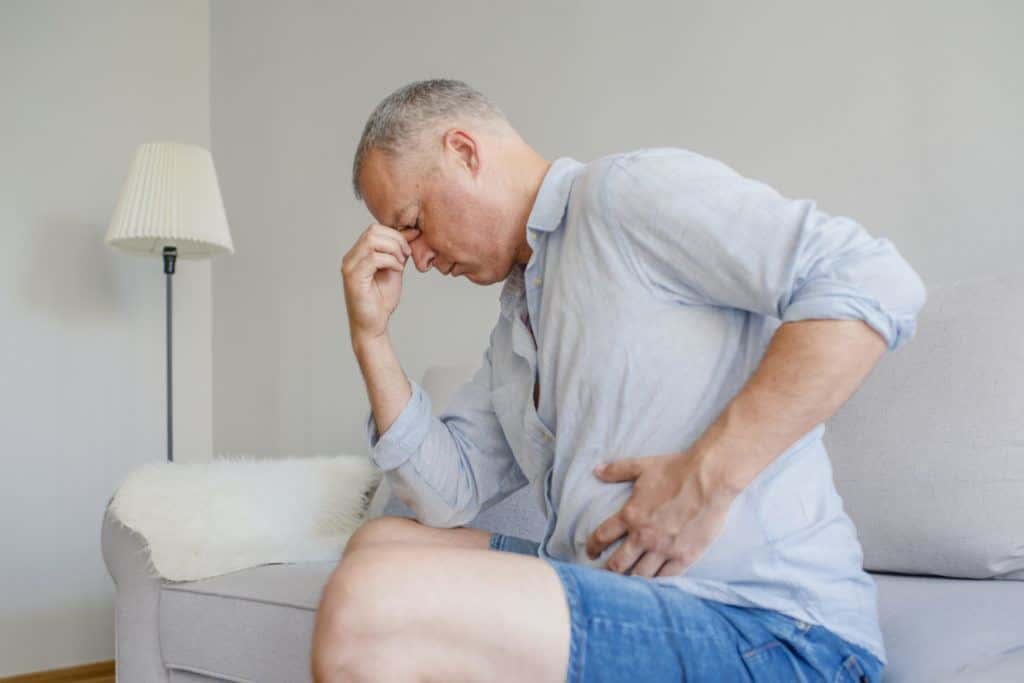
Resolving Acid Reflux Without Antacids
Anyone who has ever had a full-blown attack of acid reflux disease (otherwise known as gastroesophageal reflux disease, or GERD) knows that it can be seriously debilitating. Unfortunately, it’s a common problem—more than 15 million people are thought to suffer from acid reflux, and they keep the market for antacids booming.
Proton pump inhibitors (PPIs), drugs that reduce gastric acid production, topped $9.5 billion in sales last year, making them among the highest-selling classes of drugs. One over-the-counter PPI, Nexium (or the “Purple Pill”), was the number one seller in 2012 at close to $6 billion dollars. Millions opt instead for prescription H2 antagonists or over-the-counter acid-fighters such as Tums, Mylanta, Pepcid, or Zantac. The problem is, while these medications may relieve symptoms, they mask the real cause of acid reflux and eventually may worsen health problems. But despite the risk, millions of people, often at the recommendation of their doctors, stay on these drugs for a lifetime.
What Happens When You Have GERD?
GERD’s common name―heartburn―comes from the burning pain it causes in the chest. It occurs when the lower esophageal sphincter (LES) valve between the esophagus and stomach fails to work as it should. Normally, this valve provides a one-way trip for food you eat, allowing it to move down from the esophagus into the stomach. With GERD, the LES malfunctions and pushes food back up into the esophagus, along with stomach acid.
In addition to chest pain, GERD sufferers may experience throat irritation, an acid taste in the mouth, chronic cough, difficulty swallowing, belching, laryngitis, and/or nausea. And if allowed to continue, GERD can have more serious consequences. Eventually, GERD can erode the esophagus, causing inflammation and scarring. It can also cause dental erosion and even lead to esophageal cancer. In addition, GERD is associated with many diseases, including heart disease, H. pylori infection, inflammation of the stomach lining (gastritis), and ulcers.
The GERD Paradox
Since the invasion of stomach acid into the esophagus seems to cause the burning associated with GERD, conventional medicine’s approach to treatment seems logical: eliminate excess acid by either stopping or neutralizing it. If acid-suppressing drugs work, then it’s problem solved, right?
Well, not exactly. It’s true that eradicating stomach acid may give you short-term relief, but it can set you up for more serious problems—what you need is a cure, not just a temporary fix. While it may seem counterintuitive, the problem for most GERD patients isn’t that they have too much stomach acid―it’s that they have too little. And the fact is, you need stomach acid.
Healthy digestion requires you to have two things in your stomach: one, adequate hydrochloric acid (HCl), and two, the digestive enzyme pepsin. These two substances are essential to breaking down the food you eat into the nutrients your body requires to function efficiently. When you have low stomach acid, you can’t properly break down protein, which is the building block for muscle. Also, with low stomach acid, you have decreased absorption of calcium and magnesium, so your body is forced to pull these elements from your bones, and that increases your risk of osteoporosis.
There are several reasons why HCl and pepsin levels may fall to dangerously low levels, but the most common cause is overconsumption of antacids and other acid-suppressing medications. Age can also contribute to low stomach acid, which in turn can lead to a decreased function of the LES. Medications are necessary in certain circumstances, such as peptic ulcer disease, and are usually prescribed for a limited period of time, 8-10 weeks. But these medications weren’t created with the idea of people staying on them for any great length of time.
Acid suppressants kill off your good bacteria and promote overgrowth of bad bacteria, which compromises your immune system and impedes your resistance to infection. It also increases your risk of stomach cancer, ulcers, IBS, and other digestive disorders, as well as autoimmune disease, asthma, and mood disorders such as depression.
Getting to the Root of the Problem
A cure requires understanding the cause. Testing may be needed to identify factors contributing to your GERD. These may include such disparate sources as hiatal hernia (which causes the lower esophageal sphincter and stomach wall below it to bulge up through the diaphragm), hypochlorhydria (chronic low stomach acid), allergies or sensitivities to specific foods (e.g., dairy or wheat), age, pregnancy, and obesity.
Acid reflux may also have links to hormone imbalances. For example, low thyroid (hypothyroidism) may cause the lower esophageal sphincter valve to malfunction, allowing stomach contents to enter the esophagus. High estrogen levels can relax the lower esophageal sphincter and irritate the stomach, especially during pregnancy.
Stress is another common trigger for GERD. When people are under undue emotional pressure and feel their ability to cope challenged, their bodies respond by releasing cortisol, the “stress hormone.” Cortisol interferes with proper digestion and weakens your immune system. Both can make you more prone to GERD. Poor dietary choices increase risk of GERD as well, and many people experience vast improvements just by making changes to their diet.
Many people experience increased GERD symptoms when they abruptly stop PPIs or acid blockers and assume that this means they need to stay on the medication. Instead, it’s best to work with a physician to come up with a program to help gradually get off these medications. The treatment plan will usually include dietary changes, probiotics, and nutrients to aid digestion and soothe the GI lining.
A physician within the BodyLogicMD network who is extensively trained in evaluating and balancing hormones can work with you to assess all the factors that may play a role in your acid reflux. They will do the necessary testing and design a customized treatment plan focused on food choices, lifestyle changes, and dietary supplements that can enable a real cure and, if needed, help put an end to the dangerous cycle of acid-suppressing drugs.